UNGA Solidifies ICJ Climate Mandate Despite Intense US Opposition
The global legal landscape has shifted as the UN General Assembly formalizes a mandate that transforms climate inaction from a policy failure into a violation of international law.
This brief synthesizes reporting from Al Jazeera, which highlights the interests of developing nations in climate litigation. The tags acknowledge the factual reporting of the UN vote while identifying the narrative focus on the legal and diplomatic tensions between the Global South and major industrial powers.
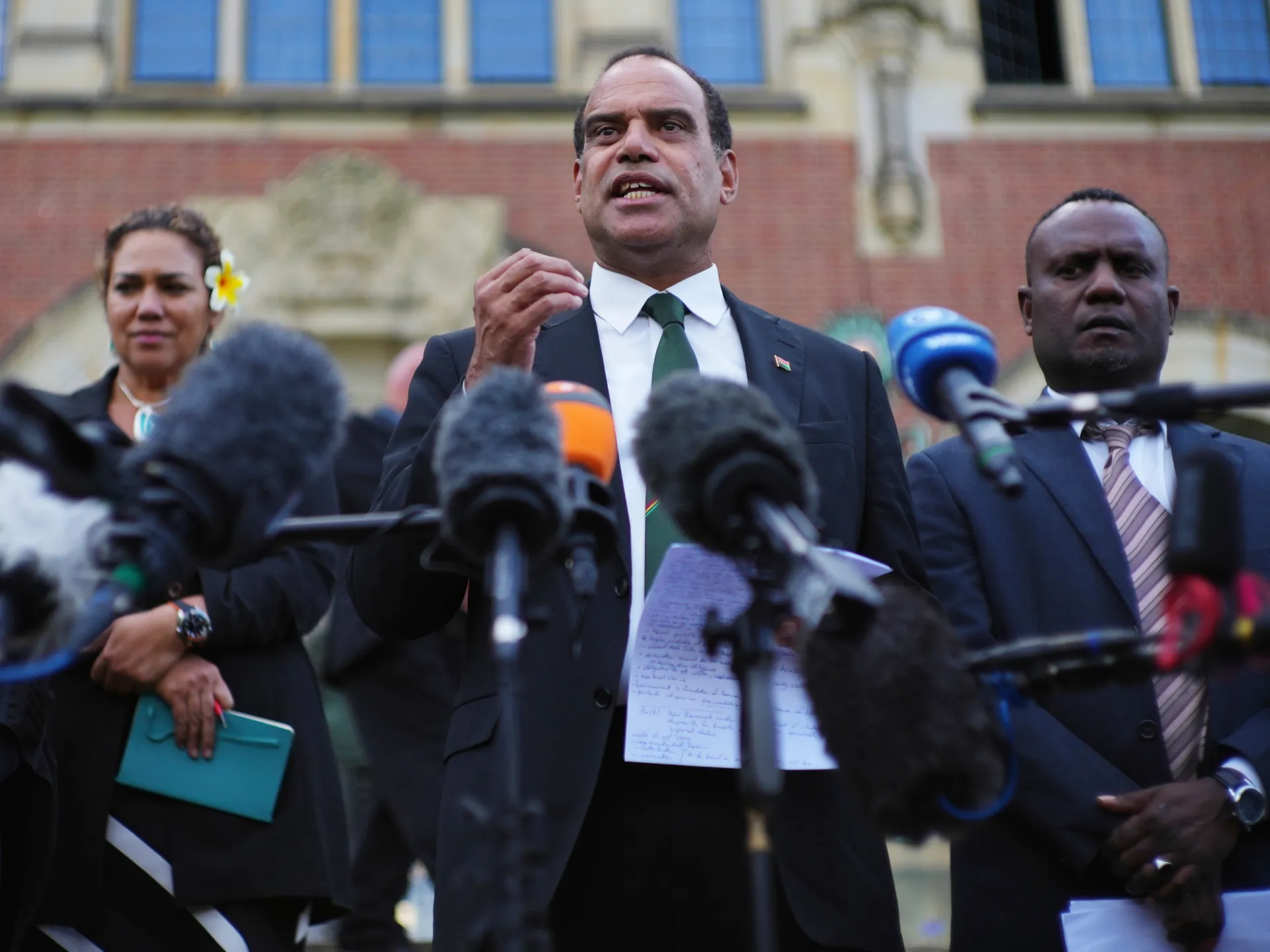
"Today the international community affirmed that climate change is not only a political and economic challenge, but a matter of law, justice, and human rights."
تفصیلی جائزہ
This resolution marks a pivotal moment in the weaponization of international law against carbon-intensive economies. By elevating the ICJ’s advisory opinion to a UNGA-endorsed mandate, the international community is attempting to strip away the voluntary nature of climate agreements like the Paris Accord. For small island nations like Vanuatu, this is not just symbolic; it creates a framework for potential litigation and reparations against major polluters, shifting the power dynamic from diplomatic negotiation to legal confrontation.
The friction between the West and the Global South is palpable, particularly regarding the concept of legal accountability for historical emissions. Al Jazeera reports that the U.S. sent diplomatic cables urging Vanuatu to withdraw the resolution, characterizing the pursuit of legal obligations as misguided, while Vanuatu's representatives framed the victory as proof that no state is above its obligations. This divide suggests that while the resolution carries immense moral and legal weight, its enforcement will face a brick wall in the form of national sovereignty and the geopolitical interests of the world’s most powerful economies.
عوامی ردعمل
The reaction is sharply polarized, reflecting a deep-seated rift between vulnerable nations seeking legal recourse and major powers fearing 'lawfare.' Environmental advocates and Pacific island leaders are hailing the vote as a historic triumph for human rights and climate justice. Conversely, the vocal opposition and abstentions from major powers like the U.S. and Saudi Arabia underscore a defensive posture, viewing the resolution as a dangerous precedent that could lead to endless litigation and infringement on national economic policies.
اہم حقائق
- •The UN General Assembly voted 141 to 8 in favor of a resolution endorsing the International Court of Justice's ruling on state climate obligations.
- •The dissenting bloc included the United States, Russia, Saudi Arabia, Israel, Belarus, Iran, Liberia, and Yemen.
- •The resolution confirms the ICJ's advisory opinion that states have a legal duty to protect the climate system for present and future generations.
📍 مقامات
ذرائع
یہ ایک خودمختار مصنوعی ذہانت (AI) کے ذریعے تیار کردہ خبر ہے۔