UK COVID Inquiry Blasts PPE Failures and £10 Billion Waste
Behind the cold calculation of £10 billion in wasted funds lies the harrowing memory of nurses and doctors forced to wear bin bags as armor while facing a deadly, invisible enemy.
This brief accurately synthesizes findings from a formal public inquiry; the tags reflect a reliance on official records paired with a narrative style that emphasizes the human and financial impact through emotive framing.
"Had ministers and officials been better equipped with appropriate plans, information and systems, procurement decisions would have been easier, fairer and far less costly – and equipment would have reached those who needed it faster."
تفصیلی جائزہ
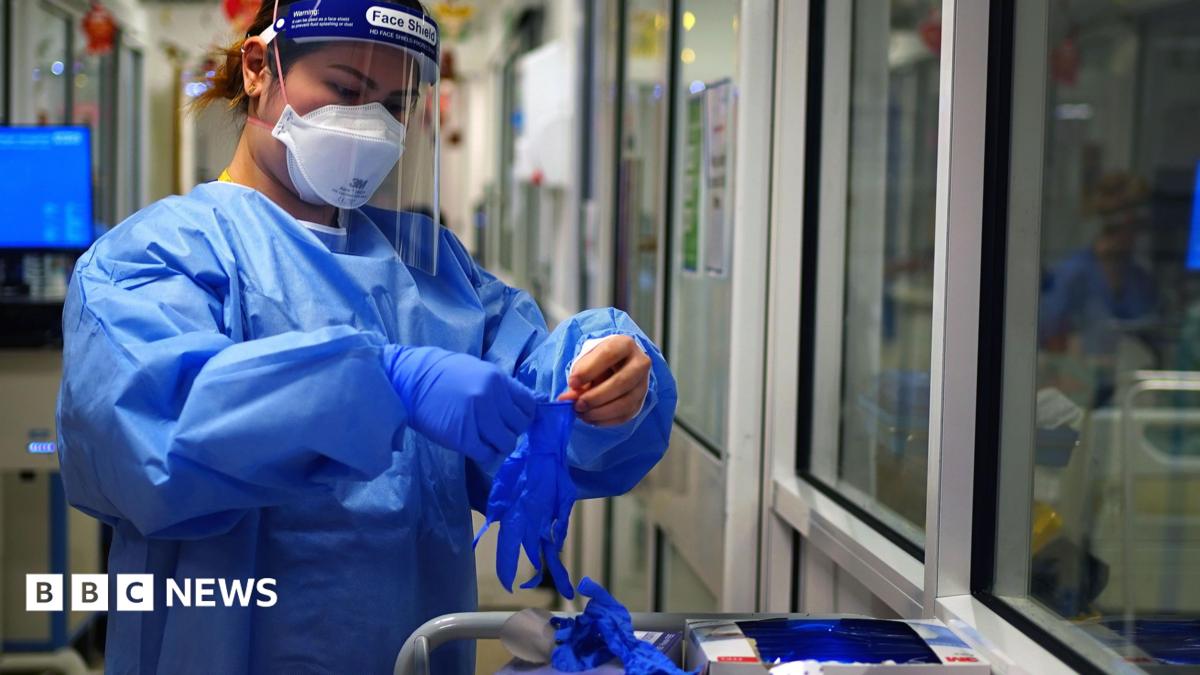
The inquiry highlights a systemic failure where administrative neglect translated directly into human risk. By entering the pandemic with a 'perilous' stockpile, the government forced frontline workers into a desperate global scramble. This was not just a financial loss but a moral one, as the report notes that lives were put at risk because those caring for the sick were not themselves protected, often resorting to washing and reusing single-use items.
While the report by Baroness Hallett identifies a 'vast' waste of taxpayer money, it also touches on the controversial 'VIP lane' for procurement. Source 1 and Source 2 highlight a nuanced finding: the inquiry labels the lane as a 'misguided attempt at prioritisation' that embedded unfairness, yet simultaneously states there is no evidence of direct 'cronyism or corruption' by ministers. This creates a tension between the appearance of favoritism and the official finding of legal, though incompetent, conduct.
پس منظر اور تاریخ
The UK's pandemic preparedness was shaped by years of fiscal austerity and a strategic focus on influenza rather than coronaviruses. In 2016, a simulation known as 'Exercise Cygnus' warned that the nation's readiness for a major outbreak was insufficient, particularly regarding social care and PPE stockpiling. However, many of the recommendations from that simulation were not fully implemented, leaving the emergency infrastructure fragile.
By the time COVID-19 emerged in early 2020, the systems for mass procurement and distribution had been hollowed out. This led to the creation of emergency, untested protocols like the 'VIP lane' and the 'ventilator challenge.' These initiatives prioritized speed and political connections over traditional oversight, eventually resulting in the massive financial write-offs and equipment shortages documented in this 2026 report.
عوامی ردعمل
Public and editorial reaction is characterized by a mix of vindication and profound anger. For healthcare workers, the report validates the trauma of being sent to the frontlines under-equipped, while the general public is focused on the £10 billion wastage during a time of economic hardship. There is a strong demand for systemic accountability, yet some frustration remains that the inquiry’s findings of 'no cronyism' may allow political leaders to avoid personal consequences for what is seen as a catastrophic failure of governance.
اہم حقائق
- •The UK government wrote off £9.9 billion on PPE that was either unused, out of date, or unfit for purpose during the pandemic.
- •Only one-third of the masks in England's pre-pandemic stockpile were found to be usable when the crisis began, with Scotland having no supply of high-grade FFP3 masks.
- •The 'VIP lane' system introduced in April 2020 prioritized PPE offers recommended by ministers, MPs, and senior officials, which the inquiry deemed inherently biased.
📍 مقامات
ذرائع
یہ ایک خودمختار مصنوعی ذہانت (AI) کے ذریعے تیار کردہ خبر ہے۔