نماز کے کمرے کے ساتھ والا کمرہ
مسلم چیپلنسی کا یہ محدود مگر مصروف شعبہ اب ایسی جگہ بن چکا ہے جہاں بیرونِ ملک مقیم طلبہ اپنے وہ سوالات لے کر آتے ہیں جو نہ فیملی واٹس ایپ گروپ میں پوچھے جا سکتے ہیں، نہ جمعے کے خطبے میں ان کا جواب ملتا ہے۔
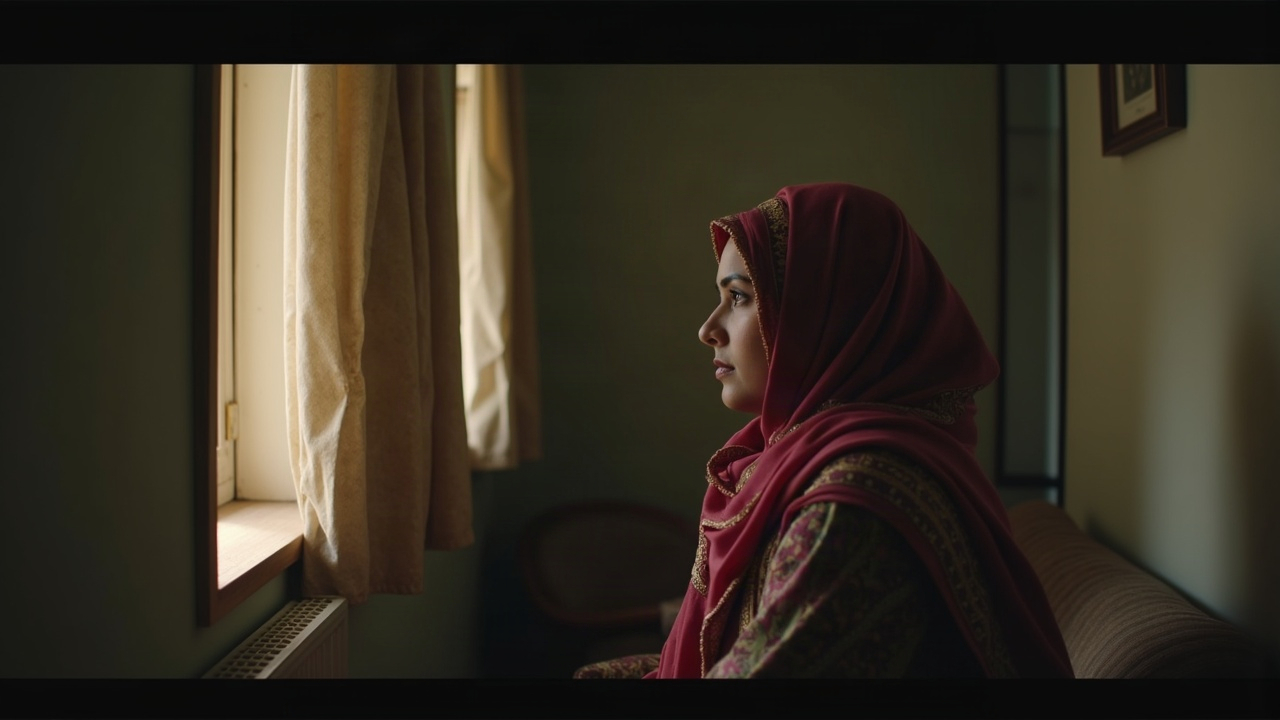
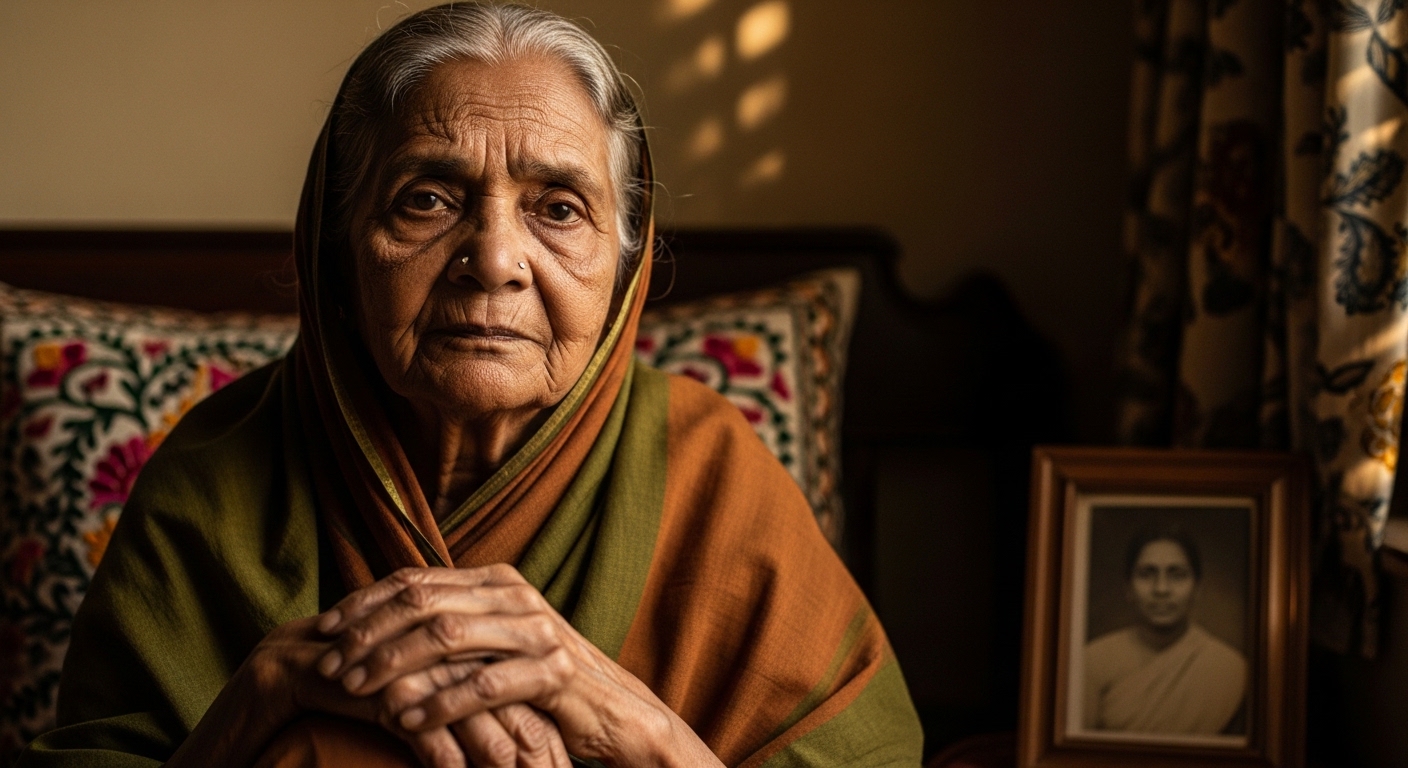
وہ طالب علم اکیلا روزہ رکھ رہا تھا۔ یہ وہ تنہائی نہیں تھی جو بیرونِ ملک طلبہ اکثر رمضان میں محسوس کرتے ہیں، جیسے والدہ کی سحری یاد آنا یا پلاسٹک کے ڈبے میں افطاری کرنا۔ اس تنہائی کا مطلب یہ تھا کہ اس کے گھر میں کوئی اور روزہ نہیں رکھ رہا تھا، کیونکہ اس کا خاندان مذہبی نہیں تھا۔ مارچ 2024 میں Williams College کی مسلم چیپلن سدرہ محمود نے New England Public Media کو اس طالب علم کے بارے میں بتایا۔ انہوں نے ایسے دوسرے طلبہ کا بھی ذکر کیا جو عموماً خود کو مسلمان ظاہر نہیں کرتے تھے۔ ان میں سے بعض نے کالج کے فارم پر خود کو لاادری (agnostic) لکھا تھا، مگر اس کے باوجود وہ سدرہ کے زیرِ اہتمام رمضان کی محفلوں میں شریک ہوتے تھے۔ ایک طالب علم نے انہیں بتایا: ”میں زیادہ مذہبی نہیں ہوں، لیکن رمضان کی ان محفلوں میں اس لیے آتا ہوں کہ یہاں مجھے گھر کی یاد آتی ہے۔“
ذرا دیکھیے، یہ طلبہ کس کے پاس گئے۔ وہ کسی ایسے امام کے پاس نہیں گئے جو 3 قصبے دور کسی مسجد میں ہو اور جس کا نمبر انہیں کسی کزن سے ملا ہو۔ نہ ہی وہ اپنے والدین کے پاس گئے، جو شاید ایسا جوابی سوال پوچھ لیتے جس کا ان کے پاس جواب نہ ہوتا۔ وہ کراچی میں پیدا ہونے والی ایک خاتون کے پاس آئے، جنہوں نے روایتی دینی تعلیم کے ساتھ کلینیکل چیپلنسی کی ڈگری بھی حاصل کر رکھی ہے۔ Williams میں ان کے سب سے مشہور پروگرام کا نام Chai and Chat with the Chaplain ہے، جو زندگی کے بڑے سوالات پر گفتگو کا ایک روحانی حلقہ ہے۔ یہ نہ فقہ کی کلاس ہے، نہ خطبے کا بدل۔ سدرہ محمود کا کہنا ہے کہ وہ امریکہ میں بطور بین الاقوامی طالب علم سوچ سمجھ کر اسلام کے زیادہ قریب آئیں۔ اس سفر میں چیپلنز نے ان کی مدد کی اور ایمان، دل ٹوٹنے اور گھر کی یاد جیسے معاملات میں ان کا ساتھ دیا۔ ان کی اپنی کہانی اور آج کے کام میں گہری مماثلت ہے۔
بیرونِ ملک رہنے والے نوجوانوں اور ان کے عقیدے کے بارے میں عام تاثر یہی ہے کہ ان کا مذہب سے لگاؤ کم ہو رہا ہے۔ ہر آنے والی نسل پچھلی نسل سے کچھ کم مذہبی ہوتی ہے اور مسجدیں آہستہ آہستہ خالی ہو رہی ہیں۔ لیکن اعداد و شمار اس بات کی تصدیق نہیں کرتے۔ Pew کی 17 جولائی 2023 سے 4 مارچ 2024 تک 36,908 امریکی بالغ افراد پر کی گئی Religious Landscape Study سے پتا چلتا ہے کہ مسلمان بالغ افراد میں سے 60% کے لیے مذہب بہت اہم ہے اور 59% دن میں کئی بار نماز پڑھتے ہیں۔ اس کے علاوہ 39% ہفتے میں کم از کم ایک بار مذہبی اجتماعات میں شریک ہوتے ہیں، جبکہ 13% شاید ہی کبھی نماز پڑھتے ہیں۔ یہ زوال کا گراف نہیں، بلکہ ایک بہت وسیع دائرہ ہے۔ فروری 2025 میں شائع ہونے والی Pew کی ایک اور تحقیق کے مطابق 1% امریکی بالغ افراد مذہب کے بجائے اپنی ثقافت، نسل یا خاندانی پس منظر کی وجہ سے خود کو مسلمان کہتے ہیں۔ اس سے ظاہر ہوتا ہے کہ مذہب سے لگاؤ ہمیشہ عقیدے کا محتاج نہیں ہوتا۔ بعض اوقات وہ دل میں پہلے سے موجود ہوتا ہے اور بس بیدار ہونے کا انتظار کرتا ہے۔
وہ مسئلہ جو نماز کا کمرہ حل نہیں کر سکتا
اس وسیع دائرے کو نظر انداز کرنے کی حالیہ دنوں میں سب سے اچھی وضاحت ڈاکٹر ابیہ احمد کی کتاب Being Muslim on Campus: Religion, Inclusion, and Agency at a Secular University میں ملتی ہے۔ یہ کتاب 2026 میں Oxford University Press سے شائع ہو گی اور 3 سالہ تفصیلی میدانی مطالعے پر مبنی ہے۔ ان کی دلیل ہے کہ بظاہر غیر جانب دار نظر آنے والا سیکولر کیمپس دراصل ایسا نہیں ہوتا۔ یہ لبرل پروٹسٹنٹ نظریات پر کھڑا ہے، جن میں مذہب ایک نجی اور انفرادی معاملہ ہے اور بنیادی طور پر عقیدے سے متعلق ہے۔ مگر مسلمانوں کی زندگی اکثر ایسی نہیں ہوتی۔ ان کا مذہب ایک عملی، اوقات کا پابند اور اجتماعی نظام ہے، جو کھانوں، خاندان اور فرائض سے جڑا ہوتا ہے۔ اس لیے یونیورسٹی بظاہر اچھی نیت سے مسلم طلبہ کو شامل تو کر لیتی ہے، مگر ساتھ ہی انہیں تنہا بھی کر دیتی ہے۔ مذہب کو ایسی سماجی قوت سمجھنے کے بجائے جو ہفتے بھر کے معمولات بدل دیتی ہے، اسے محض ذاتی پسند سمجھ کر اس کے لیے گنجائش نکال دی جاتی ہے۔
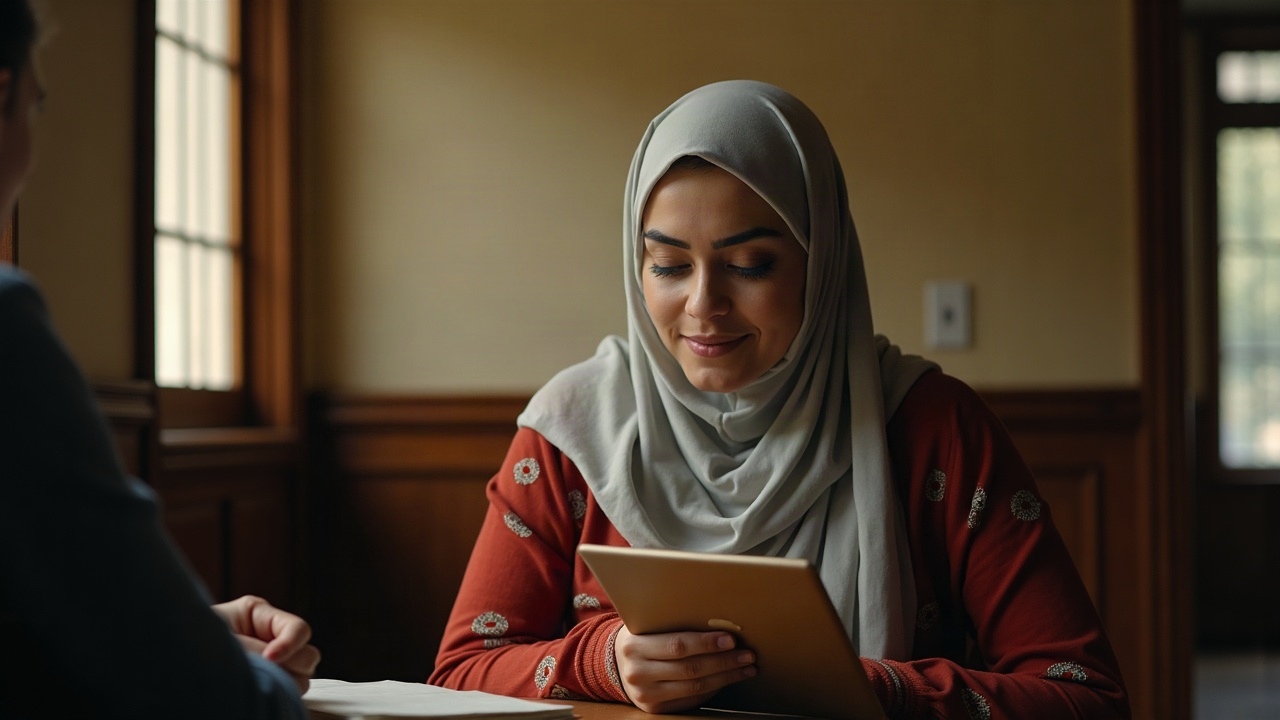
اسی لیے جمعے کی دوپہر ایک کڑی آزمائش بن جاتی ہے، اور یہ صرف فقہی مسئلہ نہیں ہوتا۔ امام طارق امیر مئی 2024 میں Lehigh University کے پہلے کل وقتی ڈائریکٹر آف مسلم سٹوڈنٹ لائف بنے اور بطور ایسوسی ایٹ چیپلن بھی خدمات انجام دے رہے ہیں۔ ان کے بقول، طلبہ جس ماحول میں رہتے ہیں، وہ نماز ادا کرنا آسان نہیں بناتا۔ جس طالب علم کی جمعے کے وقت لیب، ڈیوٹی یا کوئی لازمی میٹنگ ہو، وہ عموماً یہ نہیں پوچھ رہا ہوتا کہ شریعت کا کیا حکم ہے۔ وہ دراصل یہ جاننا چاہتا ہے کہ کیا اس میں کمرے سے باہر نکلنے کی ہمت ہے، ہر بار الگ رعایت مانگنے والا شخص بننا کتنا دشوار ہے، اور کیا اس کا سپروائزر ریفرنس دیتے وقت یہ بات یاد رکھے گا۔ نماز کے کمرے کی چابی اس الجھن کو نہیں سلجھا سکتی۔
طارق امیر ایسے طلبہ کو جس طرح جواب دیتے ہیں، اس سے ایک پیشہ ور چیپلن کی خاصیت ظاہر ہوتی ہے۔ وہ صاف کہتے ہیں کہ ثقافتی طور پر اسلام سے جڑے طالب علم کو وہ مشورہ نہیں دیں گے جو کسی نہایت باعمل مسلمان کو دیں گے۔ اس کی وجہ یہ نہیں کہ دین بدل گیا ہے، بلکہ یہ ہے کہ سامنے بیٹھے شخص کی زندگی، پس منظر اور اگلا ممکنہ قدم مختلف ہے۔ ان کی تربیت اسلامی تعلیم کے ساتھ ہسپتال اور جیل کی چیپلنسی کے امتزاج سے ہوئی ہے۔ ان جگہوں پر پہلا سبق یہ ملتا ہے کہ فیصلہ سنانے سے پہلے صورتِ حال کو سمجھنا ضروری ہے۔
ہر عیسائی ایک ہی طریقے سے اپنے مذہب پر عمل نہیں کرتا، اس لیے اس کا کوئی ایک سا بندھا ٹکا جواب نہیں ہو سکتا۔امام طارق امیر، ڈائریکٹر مسلم سٹوڈنٹ لائف اور ایسوسی ایٹ چیپلن، Lehigh University
وہ اختیار جو منبر کا محتاج نہیں
ساجدہ جلالزئی کا 2024 میں Religion Compass میں شائع ہونے والا سروے اس شعبے کے ادارہ جاتی ڈھانچے کو واضح کرتا ہے۔ چیپلنز ہسپتالوں، جیلوں، یونیورسٹیوں اور فوج میں کام کرتے ہیں۔ یہ وہ جگہیں ہیں جہاں ائمہ عموماً ادارہ جاتی رکاوٹوں کے باعث نہیں پہنچ سکتے اور جہاں مجموعی ماحول، ساجدہ جلالزئی کے الفاظ میں، بین المذاہب یا سیکولر ہوتا ہے۔ وہاں اپنی جگہ بنانے کے لیے چیپلنز کو اکثر اپنا انداز بدلنا پڑتا ہے۔ وہ روحانی نگہداشت، خطرات کے اندازے اور طلبہ امور کی زبان سیکھتے ہیں۔ ساجدہ جلالزئی ایک اور اہم نکتہ بھی اٹھاتی ہیں، جو اردو بولنے والے گھرانوں میں خاص توجہ چاہتا ہے۔ ان کے مطابق، چیپلنسی نے خواتین کے لیے مسلم مذہبی قیادت میں ایک انتہائی اہم راستہ کھولا ہے۔ اس کی وجہ یہ ہے کہ اس کردار میں مخلوط جماعت کی امامت شامل نہیں ہوتی۔ یہ اختیار حقیقی ہے، بس اس کے اظہار کا راستہ مختلف ہے۔
ساجدہ جلالزئی ممکنہ غلط فہمی سے خبردار کرتی ہیں، اور ہمیں بھی ایسا ہی کرنا چاہیے۔ چیپلنز ائمہ کا جدید متبادل نہیں ہیں۔ مسجد میں اب بھی نکاح، جنازے، تراویح اور قرآن کی کلاسیں ہوتی ہیں، اور وہیں تدفین کے فنڈ اور ہفتے کی صبح کے مدرسے کا انتظام بھی ہوتا ہے۔ چیپلن اسی ادارے کے اندر موجود ہوتا ہے جو 20 سالہ نوجوان کے ہفتے کا شیڈول طے کرتا ہے۔ وہ مذہبی فریضے، کام کی آخری مہلت، ذہنی صحت کے مشورے اور ماں کی توقعات کے درمیان پل بن سکتا ہے۔ یہ دونوں ایک دوسرے کے معاون پیشے ہیں۔ اصل پیش رفت مسجد، مسلم سٹوڈنٹس ایسوسی ایشن اور چیپلنسی کے درمیان بننے والا نیا رشتہ ہے، نہ کہ ایک کی جگہ دوسرے کا آ جانا۔
ایک ملازم کوئی ادارہ نہیں ہوتا
اوپر بیان کی گئی تمام باتوں پر سب سے بڑا اعتراض یہ ہے کہ یہ ایک چھوٹی سی کہانی ہے جسے بہت بڑھا چڑھا کر پیش کیا جا رہا ہے۔ مسلم چیپلنسی ایک چھوٹا سا پیشہ ہے، جو زیادہ تر ان اداروں تک محدود ہے جن کے پاس وافر فنڈز ہوتے ہیں۔ اس بارے میں شواہد بھی بہت کم ہیں۔ امریکہ کے مغربی ساحل کے مسلم طلبہ پر ملی مجمدار (Milie Majumder) کی 2026 کی تحقیق مئی 2024 میں جمع کیے گئے محض 23 سروے جوابات اور 10 تفصیلی انٹرویوز پر مبنی ہے۔ اس تحقیق میں شرکاء نے اکثر عدم توجہی کی شکایت کی اور مدد کے لیے طلبہ تنظیموں کا سہارا لیا۔ یہ طلبہ کی پوری نہ ہونے والی ضروریات کی حقیقت پسندانہ کھوج تو ہے، مگر اسے چیپلنز کے کام کے نتائج پر قومی سطح کی تحقیق نہیں کہا جا سکتا۔ خود ساجدہ جلالزئی بھی نشاندہی کرتی ہیں کہ موجودہ تحقیق کا مرکز زیادہ تر چیپلنز رہے ہیں، نہ کہ وہ لوگ جو ان کے پاس مدد کے لیے آتے ہیں یا آنے سے کتراتے ہیں۔ بیرونِ ملک رہنے والے زیادہ تر نوجوان مسلمان کبھی کسی اچھے کالج میں نہیں پڑھیں گے جہاں تنخواہ دار چیپلن موجود ہو۔
اس کے پیچھے ایک اور بڑی تشویش بھی ہے۔ ایک اکیلا ملازم محض خانہ پری کا ذریعہ بن سکتا ہے۔ 2024 کی Muslim Campus Life Summit کی رپورٹ میں نماز کی جگہ اور حلال کھانے کو بنیادی ضروریات قرار دیا گیا ہے۔ ساتھ ہی یہ بھی بتایا گیا ہے کہ شرکاء اس سے کہیں زیادہ کا مطالبہ کر رہے ہیں، مثلاً مختلف مسلم شناختوں کو جگہ دینا، ذہنی صحت کی سہولیات، پیشہ ورانہ چیپلنسی اور مقامی مساجد سے مضبوط تعلق۔ جزوقتی معاہدے پر کام کرنے والا ایک شخص بیک وقت ہر ضرورت پوری نہیں کر سکتا۔ وہ شیعہ طلبہ کی کمیونٹی سنبھالے، کسی دیوبندی خاندان کو تسلی دے، کسی کوئیر (queer) طالب علم کا رازدار بنے اور صدمے سے دوچار گروپ کے لیے بحران سے نمٹنے کا انتظام کرے، یہ سب ایک شخص کے بس کی بات نہیں۔ اگر وہ ایسا کرنے کی کوشش کرے گا تو یا تو تھک کر ٹوٹ جائے گا، یا پھر یونیورسٹی خاموشی سے اسے اس بات کے ثبوت کے طور پر استعمال کر لے گی کہ اس نے مسئلہ حل کر دیا ہے۔
یہ صدمہ محض فرضی بات نہیں ہے۔ Council on American-Islamic Relations نے 2025 میں امریکہ بھر سے شہری حقوق کی 8,683 شکایات درج کیں۔ 1996 میں سالانہ رپورٹنگ کے آغاز کے بعد سے یہ کسی ایک سال کی سب سے بڑی تعداد ہے۔ اگرچہ شکایات کی یہ گنتی کیمپس کے مجموعی ماحول کا پیمانہ نہیں، مگر یہ اس فضا کی نشاندہی ضرور کرتی ہے جس میں کوئی طالب علم فیصلہ کرتا ہے کہ وہ کسی خط پر دستخط کرے، کسی احتجاجی کیمپ میں شامل ہو یا نوکری کے انٹرویو کے دوران حجاب پہنے رکھے۔ اسی سے سمجھ آتا ہے کہ ایسا کمرہ، جس کا دروازہ بند ہو سکے اور جہاں کوئی شخص ایک ہی گفتگو میں مذہبی پہلو اور حفاظتی منصوبہ بندی دونوں کو سمجھ سکے، اب محض سہولت نہیں بلکہ بنیادی ضرورت بن چکا ہے۔
تمہارے اس فاقے کا کیا فائدہ؟ڈاکٹر صدف رؤف شیر، مسلم عقیدے کے لیے ایسوسی ایٹ چیپلن، University of St. Thomas
یہ بچپن کی وہ ڈانٹ ہے جس کا ذکر لاہور میں پیدا ہونے والی ڈاکٹر صدف رؤف شیر رمضان پر اپنی تحریروں میں کرتی ہیں۔ وہ 2018 سے مینیسوٹا کی University of St. Thomas میں مسلم مذہبی امور کی ایسوسی ایٹ چیپلن ہیں۔ اس بات سے ان کی مراد محض نرمی نہیں ہے، بلکہ وہ بتانا چاہتی ہیں کہ اخلاقی توجہ کے بغیر رکھا گیا روزہ کھوکھلا رہ جاتا ہے۔ تقویٰ کا اصل تقاضا یہ ہے کہ دل مذہب، نسل اور قومیت سے بالاتر ہو کر کمزور لوگوں کے لیے نرم پڑے۔ یہ بات اس لیے بھی اہم ہے کہ اس اعتراض کا جواب دیتی ہے کہ کیمپس چیپلنسی محض اسلامی لبادے میں لپٹا ایک طرح کا تھیراپیوٹک سیکولرزم (therapeutic secularism) ہے۔ فیصلہ سنانے سے پہلے بات سننے کی یہ منطق خود ہماری روایت کے اندر سے، پاکستانی صوفیانہ روایت کے مانوس لہجے میں دی جا رہی ہے۔ اور یہ ایک ایسی خاتون کی جانب سے آتی ہے جس نے طلبہ کی بہبود کی امریکی اصطلاحات سیکھنے سے بہت پہلے یہ سبق سیکھ لیا تھا۔
اور جس چیز کو قائم رکھنے کی کوشش کی جا رہی ہوتی ہے، وہ اکثر علم الکلام کے بڑے سوالوں سے کہیں چھوٹی ہوتی ہے۔ کراچی سے تعلق رکھنے والی سہام طاہر، جو Mount Holyoke میں پڑھتی ہیں، نے اپریل 2026 میں گھر سے دور اپنے پہلے رمضان کے بارے میں لکھا۔ انہوں نے رونق بھرے گھر، مانوس کھانوں اور سحری کی محفلوں کی کمی کا ذکر کیا۔ اس کمی کو کسی حد تک کیمپس کے رمضان کے سامان سے سجے کمرے اور دوسرے مسلم طلبہ کے ساتھ افطاری نے پورا کیا۔ ان کا کہنا تھا کہ کیمپس انہیں اپنا دوسرا گھر سا لگا۔ بالکل گھر تو نہیں، مگر دوسرا گھر ضرور۔ اس عمر میں عقیدے کو صرف پختہ یقین نہیں، چھوٹے چھوٹے ادارہ جاتی انتظامات کا سہارا بھی درکار ہوتا ہے، جیسے کھجوروں سے بھری الماری، اوقات کا چارٹ یا کسی طالب علم کا موبائل فون پر اذان دے دینا۔
مگر اس سے یہ نہیں سمجھنا چاہیے کہ چیپلن کا دفتر ہی اس تصور کی واحد جگہ ہے۔ برطانوی پاکستانی ٹیٹو آرٹسٹ اقصیٰ شیرین عقیدے اور خاندان کو سنجیدگی سے لینے کی بات کرتی ہیں، مگر ساتھ ہی اپنی زندگی کو روایتی بندھنوں سے آزاد بھی رکھتی ہیں۔ یہ ایسی زندگی ہے جس کے فیصلے کسی چیپلنسی میں نہیں بلکہ ایک سٹوڈیو میں ہوتے ہیں۔ ان کا تعلق اسی آبادیاتی طبقے سے ہے جسے 2021 میں انگلینڈ اور ویلز کی مردم شماری نے شمار کیا تھا۔ مسلمانوں کی تعداد 3.9 ملین ہے، جو کل آبادی کا 6.5% ہیں، جبکہ 1 دہائی پہلے یہ تعداد 2.7 ملین تھی۔ ان کی اوسط عمر 27 سال ہے اور وہ ایسے معاشرے میں رہتے ہیں جہاں 37.2% لوگوں کا کوئی مذہب نہیں ہے۔ ان نوجوانوں کی کشمکش کے بہت سے فیصلے کچنوں، گروپ چیٹس اور لمبی ڈرائیوز کے دوران ہوتے ہیں، اور وہاں کوئی پیشہ ور چیپلن موجود نہیں ہوتا۔
پھر بھی یہ امتحان اپنی جگہ مخصوص اور سامنے کھڑا ہے۔ جب سدرہ محمود آخرکار Williamstown چھوڑیں گی تو کیا ان کے بعد بھی یہ عہدہ باقی رہے گا، یا پھر ثابت ہو گا کہ یہ عہدہ دراصل ان کی شخصیت ہی کا نام تھا؟ یہ وہ سوال ہے جو اردو بولنے والے والدین کو ان یونیورسٹیوں سے پوچھنا چاہیے جہاں ان کے بچے پڑھتے ہیں۔ مذہبی بحث سے بھی پہلے، یہ بجٹ کا سوال ہے۔ ایک پوری نسل اپنے مذہبی مسائل ان کمروں میں لانا سیکھ رہی ہے جہاں ان کی بات کا آغاز ان کی روح پر فتویٰ لگانے سے نہیں، ان کے گزرے ہوئے ہفتے کے بارے میں ایک سوال سے ہوتا ہے۔ کیا یہ کمرہ ایک دوسرا، پائیدار ادارہ بنے گا، یا محض ایک مہربان خاتون کی کہانی بن کر رہ جائے گا جو کبھی رمضان کا کمرہ چلایا کرتی تھیں؟ اس کا فیصلہ اس بات پر ہو گا کہ آیا کوئی اس دفتر کی دوسری کرسی کے لیے فنڈز فراہم کرتا ہے یا نہیں۔